
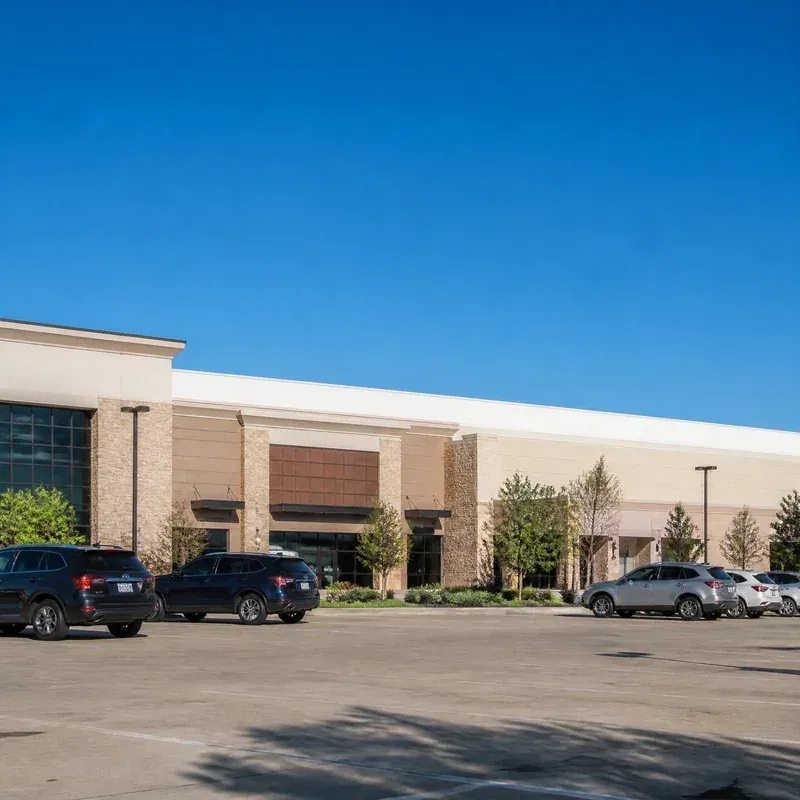
EPDM Roofing for Commercial Buildings: Certified Installation, 30-Year Warranty

Cold-grade rubber. 30-year warranty. Direct employee crews.

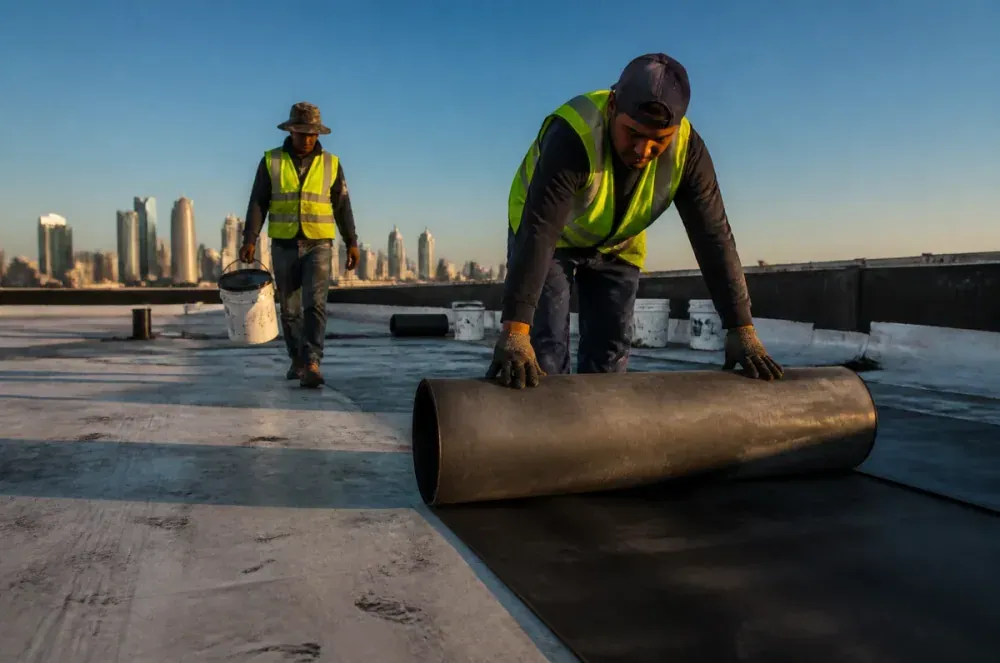
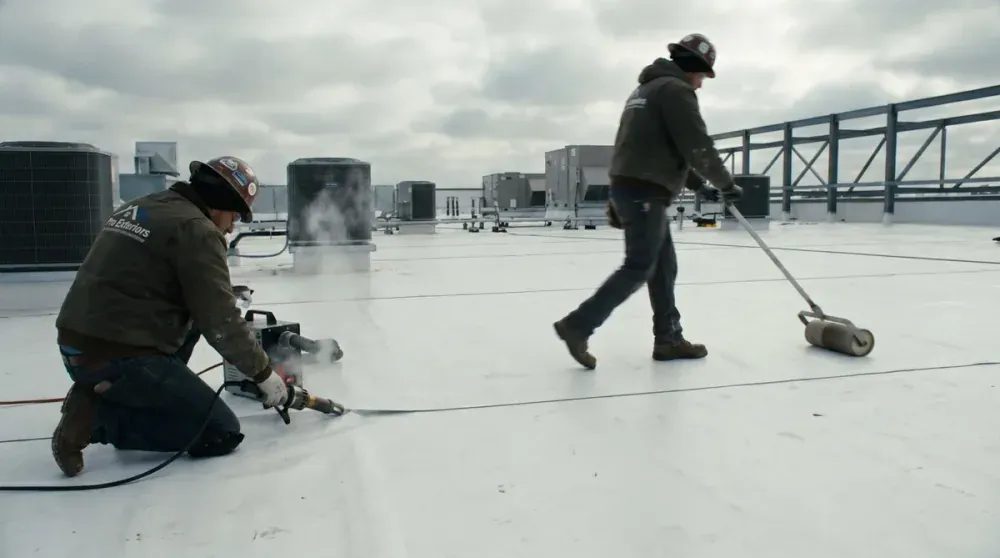
EPDM is the long-game material for commercial flat roofs that have to survive a hard climate. Engineered from synthetic rubber, EPDM stays flexible from -50°F through 200°F, resists ozone and UV better than any thermoplastic alternative, and carries 30-year NDL warranties from Carlisle SynTec and Versico when installed under a manufacturer-certified contractor. Pro Exteriors holds current certifications from both manufacturers and we don't subcontract installations — the crew on your roof is on our payroll, has passed our internal seam-bond certification program, and reports to a project superintendent who's on-site for the duration of the install.

Carlisle SynTec Certified 30-Year NDL Warranty
Cold-grade rubber. 30-year warranty. Direct employee crews.

Why Choose EPDM?

Six reasons commercial property managers specify EPDM over thermoplastic alternatives.

30-Year NDL Warranty

Carlisle SynTec and Versico back qualifying installations with 30-year No-Dollar-Limit warranties — the longest manufacturer coverage available on any commercial single-ply system.

Cold-Climate Tolerance

EPDM stays flexible from -50°F to 200°F. The molecular structure resists thermal cycling fatigue that cracks competitor membranes in freeze-thaw climates.

Hail-Strike Resistance

Rubber compounds absorb hail impact better than thermoplastics. The 60-mil and 80-mil membranes Pro Exteriors specs handle Texas hail events that pit other systems.

25–30 Year Service Life

Properly installed EPDM consistently performs at the upper end of its warranty period and beyond. Carlisle has documented installations exceeding 35 years in field service.

Direct Employee Crews

Pro Exteriors does not subcontract EPDM installations. Field crews are our employees, certified through our internal seam-bond program, supervised on-site daily.

Manufacturer Certifications

Current Carlisle SynTec and Versico contractor certifications mean we're audited to manufacturer standards — required for the 30-year warranty to register.

Where EPDM Earns Its Spec

Industrial & Distribution

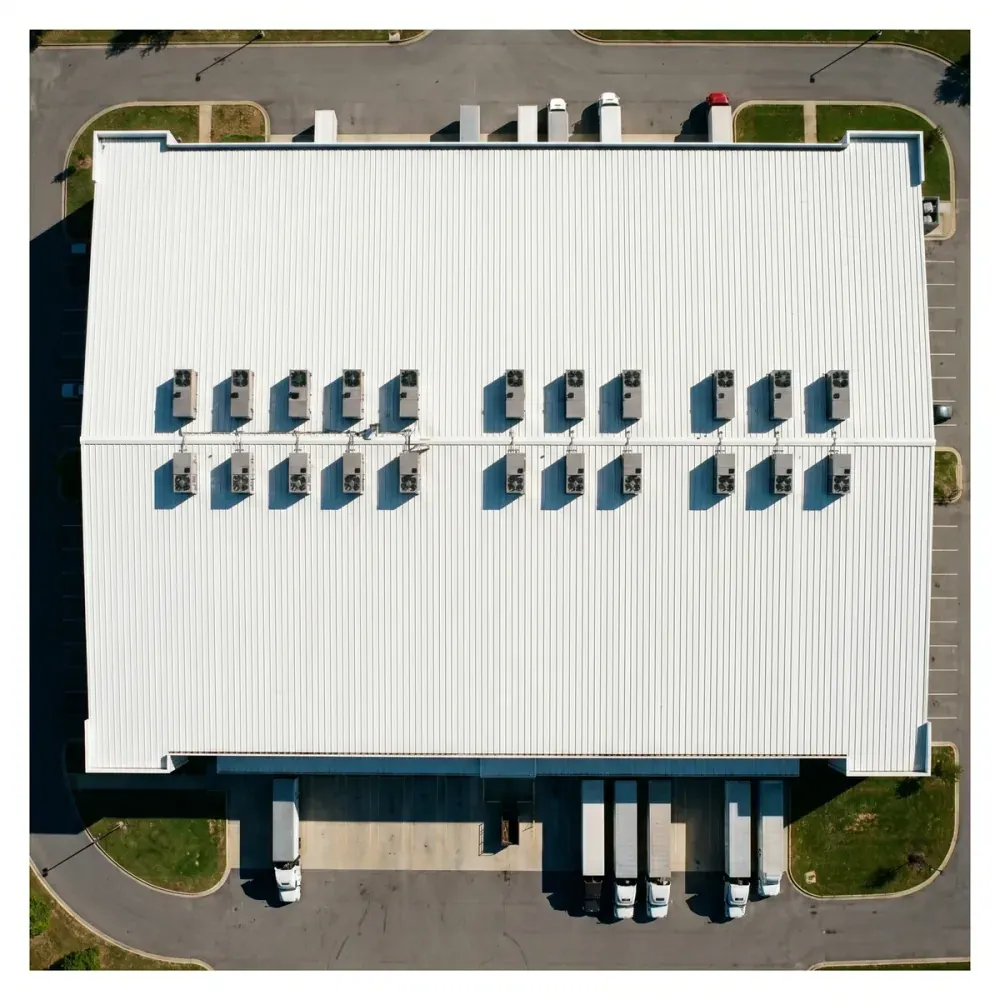
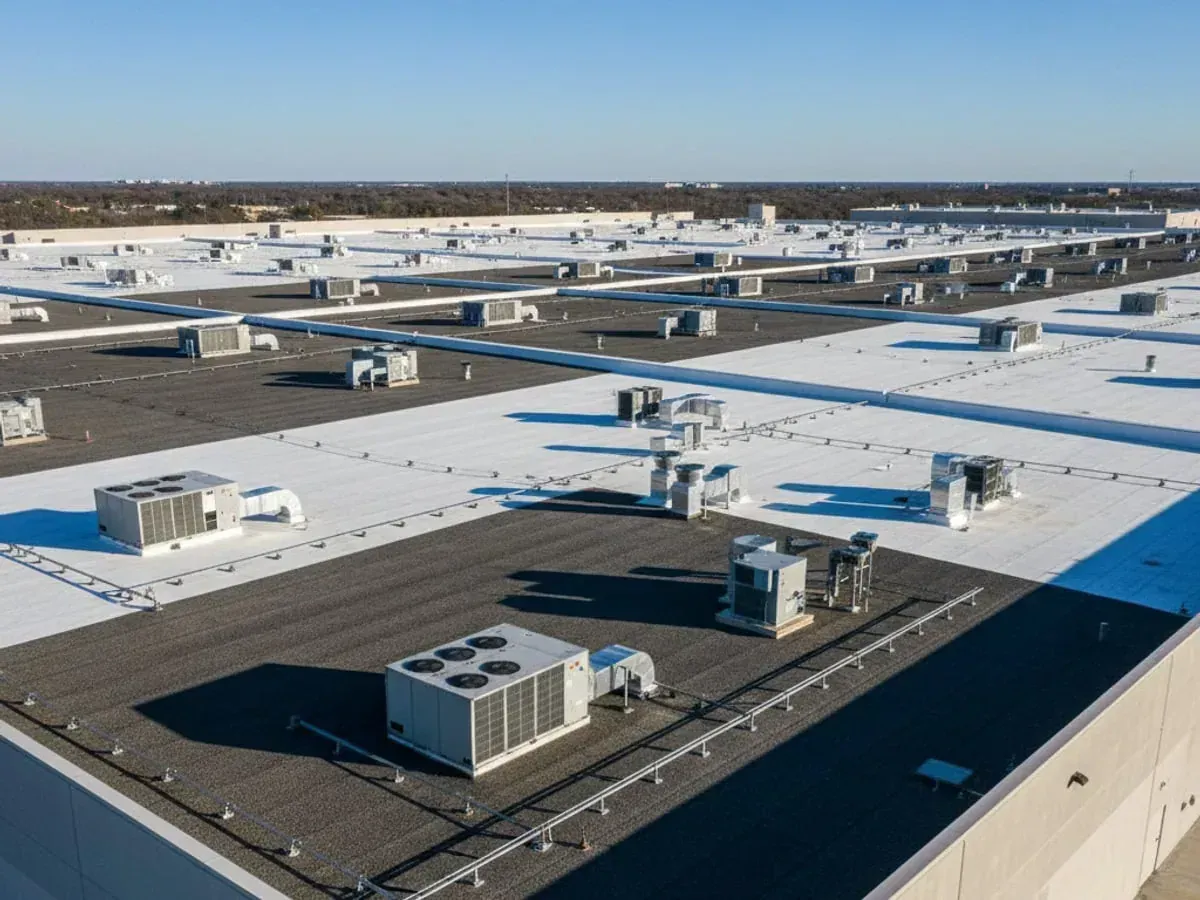
Warehouses and distribution centers where 50,000+ sq ft of low-slope roof needs to handle hail-belt weather and rooftop equipment loads. EPDM's puncture resistance handles HVAC service traffic without scarring.

Office Campuses

Multi-building corporate campuses where a 30-year warranty is a real budget item on the capital plan. EPDM's predictable lifecycle cost compared to membranes that need replacement at year 18-22.

Mixed-Use & Multi-Tenant

Strip retail, mixed-use, and small office condos where freeze-thaw across Texas winters meets summer heat extremes. EPDM's thermal-cycling tolerance is built for that range.

Our Quality Process

Our Quality Process
1

Building Assessment & Core Sampling

Visual inspection, infrared moisture mapping, and physical core samples of the existing assembly. We verify insulation R-value, identify wet substrate, and document deck integrity photographically before writing a single specification line.

2

Specification & Manufacturer Pre-Job Filing

Written spec referencing ASTM D4637 and FM Global where applicable, with line-item pricing across membrane, insulation, flashings, and labor. We file the manufacturer pre-job notification with Carlisle SynTec or Versico before mobilization — required for the 30-year warranty to register, and frequently skipped by other contractors.

3

Install with Daily QA, Probe-Tested Seams, and Closeout Package

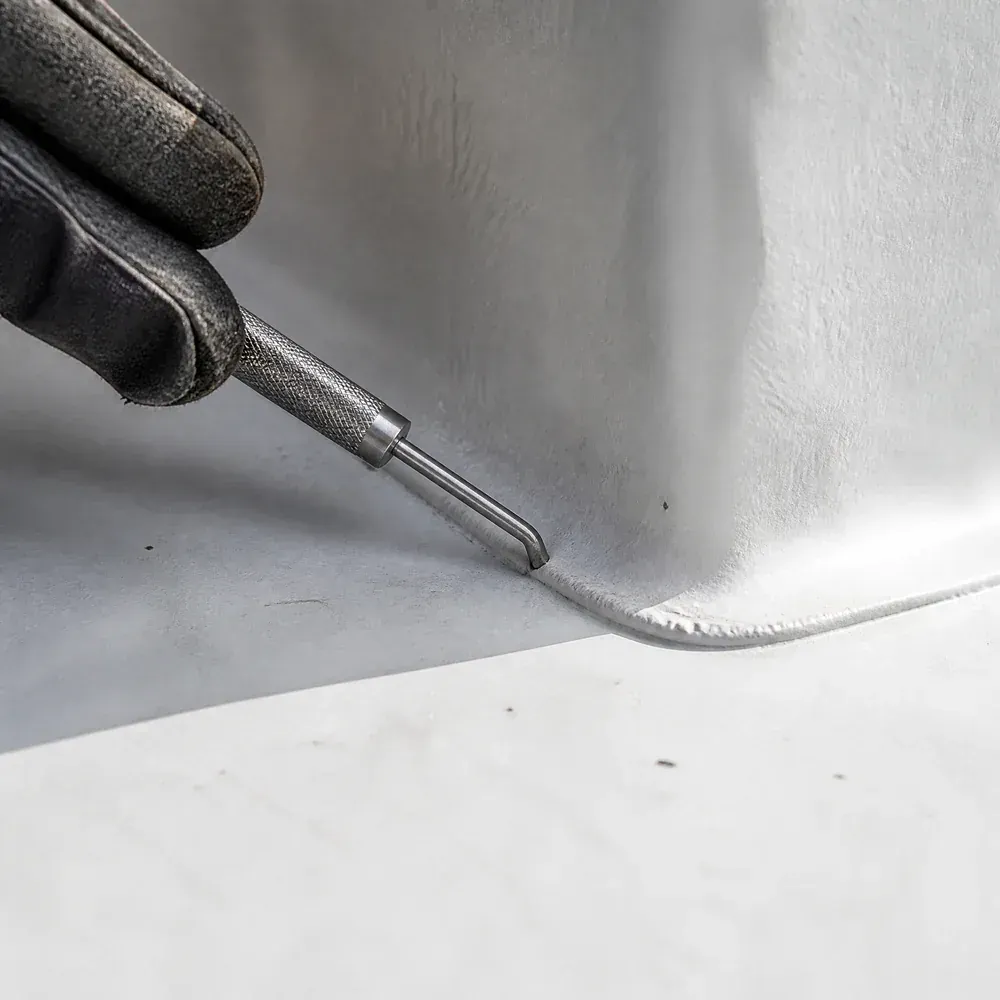
Field crews probe-test randomly selected seams every install day, photographically document every flashing detail, and complete a 20-point final inspection before warranty registration submits. The closeout package — as-built photos, warranty certificate, maintenance schedule — stays with the property if it sells.

Completed EPDM Roofing Projects

Project 1
Project 2
Project 3
Project 4

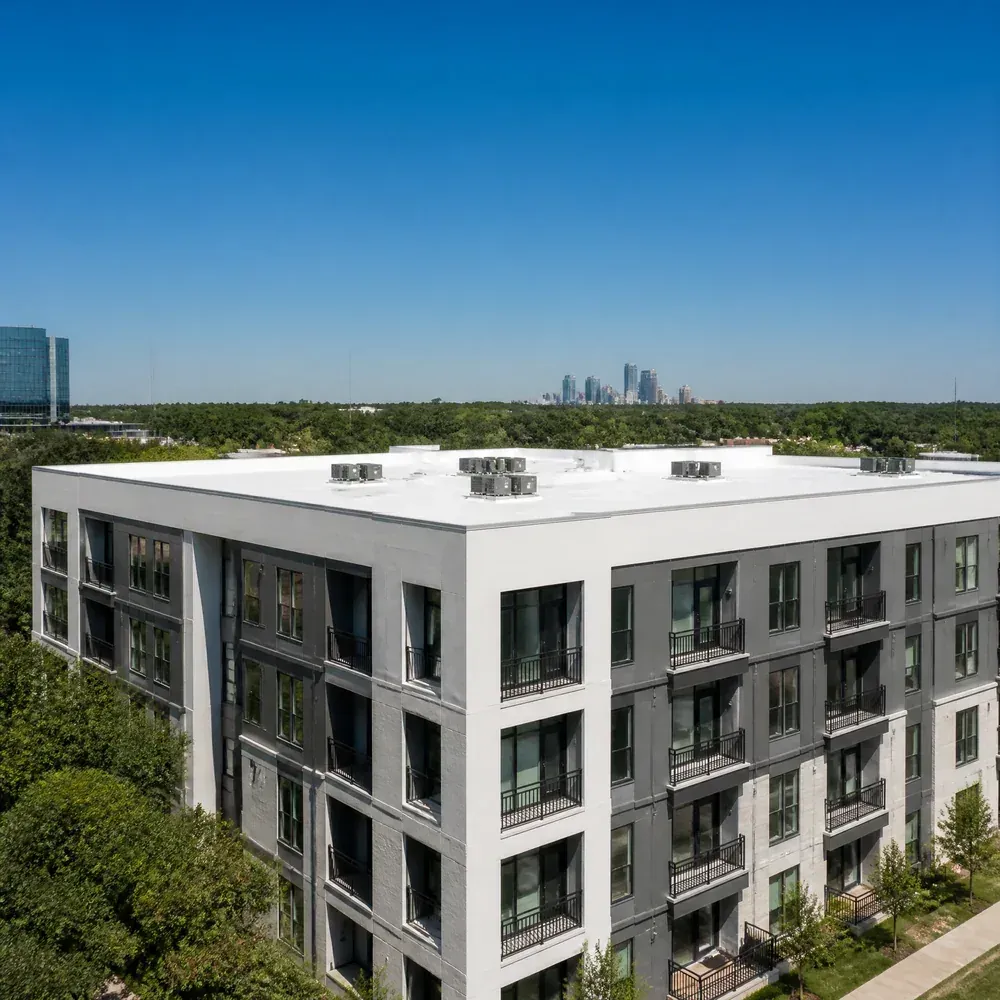
Pro Exteriors installs, repairs, and maintains commercial EPDM systems across roofs of every scale — from 5,000 sq ft retail strip centers to 500,000 sq ft distribution facilities — backed by 30-year manufacturer warranties from Carlisle SynTec and Versico on qualifying projects. The benefits cards above cover what EPDM is and why it earns its spec on hard-climate buildings. The deeper editorial below covers how the system actually goes together — the technical and operational detail procurement officers need to evaluate a real proposal.

“EPDM is the only single-ply system where the warranty paperwork is harder to win than the install. Without manufacturer certification, the 30-year coverage doesn’t register — and most contractors don’t tell you that.”

— [REPRESENTATIVE — NOT YET SOURCED]. Replace with sourced Pro Exteriors testimonial or industry-association citation before launch.

What EPDM Roofing Actually Involves

EPDM (Ethylene Propylene Diene Monomer) is a synthetic rubber compound formed into single-ply membrane sheets at thicknesses ranging from 45 to 90 mils. Pro Exteriors specifies 60-mil as the standard for general commercial projects and 80-mil for roofs with significant rooftop foot traffic, hail-belt exposure, or elevated wind-uplift requirements. We source primarily from Carlisle SynTec and Versico — both publish detailed tensile strength, elongation, and UV resistance data that we use to write project-specific specifications.

EPDM membrane thickness — when to spec which

ThicknessBest forService lifeCost premium vs. 45-mil
45-milLight-traffic roofs, low-budget retrofits18–22 yearsbaseline
60-mil (Pro Exteriors standard)General commercial, moderate hail exposure25–30 years+15–20%
80-milHigh-traffic, hail-belt, elevated wind zones28–35+ years+30–40%
90-milSpecialty applications, fully ballasted30+ years+45–55%

Attachment method is the next major design choice. Fully adhered systems bond the membrane directly to the insulation with bonding adhesive — strongest wind resistance, ideal for high-wind environments like Dallas-Fort Worth and Denver, highest installed cost. Mechanically attached systems use fasteners and plates driven through the membrane to the structural deck — faster install, cost-effective for most general commercial applications. Ballasted systems use stone or pavers to hold the membrane in place — viable over concrete structures with adequate dead-load capacity, less common in our primary regions.

Insulation specification is inseparable from the membrane. Polyisocyanurate (polyiso) is the standard for most EPDM assemblies, paired with a high-density coverboard (polyiso, gypsum, or wood fiber) directly under the membrane. The coverboard improves puncture resistance from above and provides a stable substrate for adhesion. We pull cores during the pre-install assessment to verify existing insulation R-value and detect any moisture saturation — EPDM installed over wet insulation will fail early, and we don’t take that gamble.

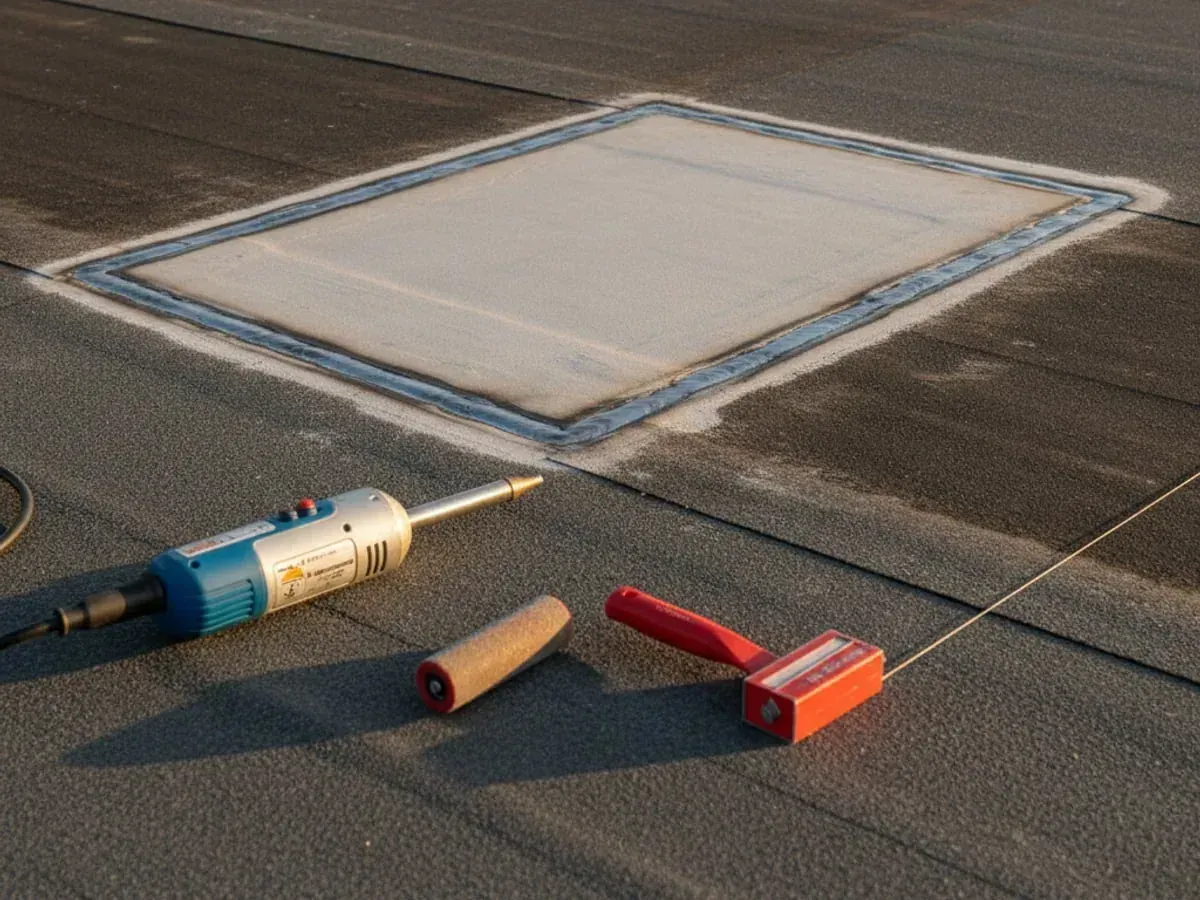
Flashing is where most EPDM roofs actually fail. Penetrations — HVAC curbs, vents, drains, parapet wall transitions — accumulate stress from thermal cycling, UV exposure, and incidental rooftop traffic. Pro Exteriors specifies Carlisle SynTec and Versico prefabricated flashing accessories wherever possible (factory-cured, dimensionally consistent, fewer field seams) and uses two-layer detail at every penetration: an uncured peel-and-stick base sheet topped by a field-bonded cap sheet, with photographic documentation of every detail.

How We Serve Dallas-Fort Worth and the Regional Markets

Pro Exteriors is headquartered in Richardson, Texas — within 30 minutes of any commercial roofing site in the DFW metroplex, including Frisco, McKinney, and Allen on the north side; Arlington, Grand Prairie, and Irving on the west; Garland, Mesquite, and Rockwall on the east. DFW’s combination of severe hail events and 100°F-to-sub-freezing seasonal temperature swings means EPDM membrane thickness and attachment method get specified more conservatively here than in milder climates. Our crews install and repair EPDM here every week — climate fluency comes from direct field experience, not from a regional best-practices manual.

We also operate regional offices in Denver, CO, Wichita, KS, Kansas City, MO, Atlanta, GA, and Pensacola, FL. Each market has its own project manager and a dedicated full-time crew certified on EPDM systems. Denver installs lean toward 80-mil fully-adhered assemblies because of high winds and hail at elevation. Atlanta projects often involve overlay installs over existing modified bitumen — substrate prep methodology there is specific, and our crews carry the certifications to execute it cleanly. For the broader commercial flat-roof picture, see our commercial flat-roof systems overview.
Service FAQ

What does EPDM stand for, and why does it matter for commercial roofing?

EPDM stands for Ethylene Propylene Diene Monomer — a synthetic rubber membrane engineered specifically for flat and low-slope commercial roofs. The chemistry matters because EPDM's molecular structure resists UV degradation, ozone, and thermal cycling far better than modified bitumen or built-up systems. That resistance is what makes a properly installed 60-mil EPDM membrane viable for 25-30 years of service life.

How long does a commercial EPDM roof last, and what affects that lifespan?

A 60-mil or 80-mil EPDM membrane installed over a sound substrate by a certified contractor will typically perform for 25-30 years. The variables that shorten that lifespan are substrate moisture at installation, poor seam execution, inadequate flashing details, and deferred maintenance. Pro Exteriors uses Carlisle SynTec and Versico membranes that carry manufacturer warranties up to 30 years on qualifying projects when installed under our certified contractor status.

What is the difference between fully adhered, mechanically attached, and ballasted EPDM systems?

Fully adhered systems bond the membrane directly to the insulation with bonding adhesive — the tightest assembly, best wind resistance, and typically the highest installed cost. Mechanically attached systems use fasteners and plates driven into the deck, which is faster and cost-effective for standard commercial applications. Ballasted systems use stone or pavers to hold the membrane in place and are appropriate only where the structural deck can support the added dead load. Pro Exteriors specifies the attachment method based on wind-uplift requirements, deck type, and budget — not on what is fastest to install.

Can an EPDM roof be repaired instead of replaced?

Yes, and repair is often the right answer for localized damage — punctures, isolated seam failures, or flashing deterioration on an otherwise sound membrane. We use infrared thermal imaging to map moisture infiltration before recommending repair versus replacement. If moisture has saturated more than 25% of the insulation area, replacement typically delivers better long-term value. If the membrane is structurally sound and moisture is contained, targeted repair extends service life at a fraction of re-roof cost.

What causes EPDM roofing to fail before its expected service life?

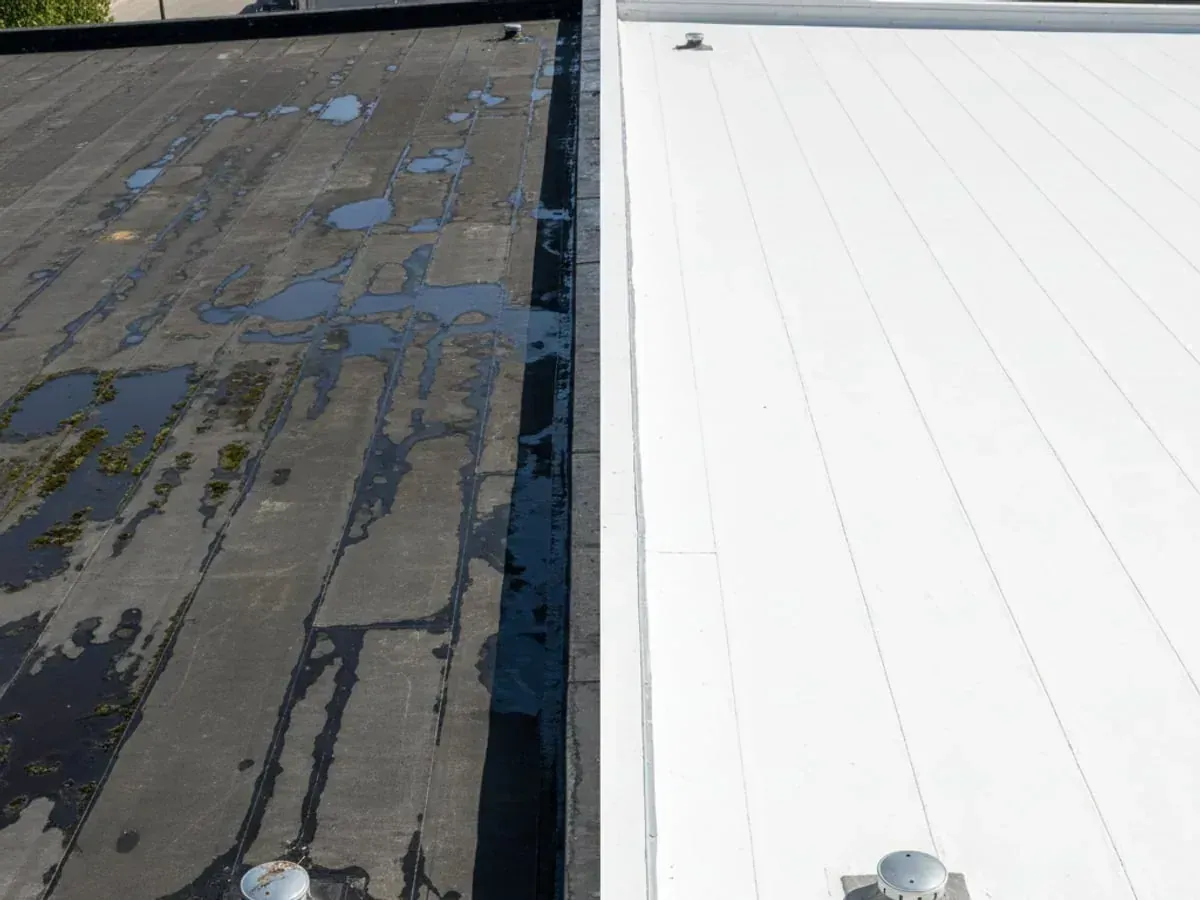
Substrate preparation failures account for the majority of premature EPDM failures — specifically, installing membrane over wet insulation or a compromised deck. Wet insulation causes adhesion failure and membrane shrinkage over time. The second most common failure mode is improper seaming: seams that were not fully bonded, not probed for voids, or not documented before the roof was put back into service. Inadequate flashing details at penetrations and curbs are the third major failure category. All three are process failures, not material failures — which is why contractor selection is the most important variable in EPDM system performance.

How much does commercial EPDM roofing cost per square foot?

Installed cost for commercial EPDM typically ranges from $6 to $12 per square foot depending on membrane thickness, attachment method, insulation R-value requirements, substrate condition, and building size. Fully adhered 80-mil systems on buildings requiring significant substrate remediation sit at the upper end of that range. Mechanically attached 60-mil systems on sound decks with straightforward geometry sit at the lower end. Pro Exteriors provides line-item written proposals after a building assessment — we do not quote EPDM projects from square footage alone.

Ready to lock in a 30-year warranty?

Get a written EPDM specification and line-item proposal — DFW assessment within 5 business days.