

residential roofing
Roof Replacement Cost | Pro Exteriors
Roof replacement cost in DFW, Denver, Wichita, KC & Atlanta explained—plus our 48-Hour Storm Response. Get accurate estimates before you commit.
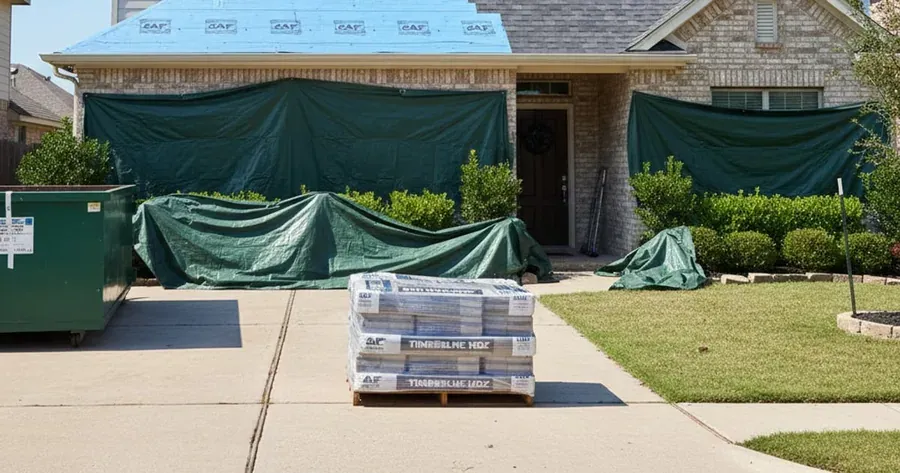
Roof replacement costs are a homeowner’s biggest question when signing contracts and often the biggest source of ambiguity contractors are known to be vague about. Here, you’ll get a sense of real ranges, influencing factors that move the price and important details to consider as you get and compare bids from different roofers in:
- Dallas - Fort Worth, Texas (DFW)
- Denver, Colorado
- Wichita, Kansas
- Kansas City, Missouri/Kansas
- Atlanta, Georgia
No filler, no shady bait - and - switch tactics - only the data you need to make a sound roofing choice.
What Goes into the Price Range
The single most significant driver of roof costs is the material you choose. Generally speaking, for an 8/12-pitched, 2,000-sq ft house:
-
A standard 3-tab asphalt shingles roof averages $8,000-$12,000, installed in most of the above regions.
-
Upgrading to architectural shingles (dimensional) adds an additional $1,500-$3,000 to the baseline cost.
-
Premium impact - resistant shingles, which are important in hail - heavy areas such as DFW and Denver, can add $6,000-$12,000, pushing costs up to $18,000-$24,000 depending on roof pitch and complexity.
Roof pitch plays a bigger role than you probably think. A standard 4/12 roof pitch is straightforward. Increasing to a 9/12 pitch or higher increases labor costs 20-35%, because crews work at a slower speed and have extra safety requirements for climbing steep slopes. Additionally, roof complexity-having multiple valleys, dormer windows, sky lights or chimneys - adds further incremental costs.
Old shingles left on the roof are also expensive. Typically, local municipalities cap the number of roof layers to two shingles. If your roof already has two layers installed, you’ll have a mandatory full tear - off of all layers, adding $1,000-$2,500, depending on square footage and disposal rates. The average disposal rate in Atlanta or Kansas City, TX will differ, so local quotes can vary dramatically.
Wood decking condition is only known upon tear - off. As a budget item, you should anticipate $75-$150 extra for any 4’x8’ sheet of OSB board or plywood decking that needs replacement. In older homes, it’s fairly common to require decking replacement between 5% and 15% of the total roof area.
How Market Location Changes Your Estimate
Not all markets are created equal. DFW has a competitive market with more roofing contractors to choose from than Denver, keeping labor rates moderate compared to material costs. Denver has a high cost of living, so labor rates can increase installed labor costs 12-18% higher than DFW averages. Wichita and Kansas City labor rates should run closer to DFW. However, logistics are harder for these two Midwest markets, so special materials might cost a little bit extra in price, although lead time isn’t generally increased. Atlanta requires higher ventilation system attention due to humidity and storm frequency. You may or may not add extra in your installation in this area due to things like needed ridge vents, soffit vent replacements, etc. , which might add $600 to $1,400 to a project estimate.
Finally, insurance claims can dramatically alter the price difference, especially for hail - prone areas like Denver and Dallas. A qualifying severe weather event that’s covered by your homeowner’s insurance can cause your insurer to cover the majority of your roof replacement costs, with you paying only your standard deductible. You’ll need to thoroughly understand the “Actual Cash Value” versus “Replacement Cost Value” components of your insurance policy before filing your claim. Check out our full overview of residential roof replacement costs at residential roof replacement service page for a detailed look at all the items that are covered in a full replacement roof system. Ensure your estimate contains these same components and work your way through it with your adjuster item by item. Your local permit fees will also differ depending on your city. In Texas, permits for Richardson or Plano typically cost $150-300. For Colorado, you should anticipate paying $200-$450. You’ll need to confirm your contractor is securing the required building permit, because if not, liability could shift to you at the time you plan to sell.
Material Decisions that Impact Value for Decades
The shingle type you select impacts more than just the upfront price - it can influence insurance premiums, how much warranty coverage you’re granted and the eventual resale price of your home. Before you’ve fully committed to a material, take a moment to look at our architectural vs. 3-tab shingles article architectural vs 3-tab shingle comparison so you can thoroughly weigh their lifetime performance value against the material costs over the next 20 to 30 years. When compared in total cost - of - ownership across the lifespan of a roof, the price difference between the different material types may not be as wide as most expect. Impact - resistant, Class 4 shingles offer discounted insurance rates in Texas, Colorado and Kansas. If you’re in the DFW area, insurance discounts on impact - resistant roofs may even save you 20 to 30% off of the wind/hail coverage component of your monthly insurance bill. Over the span of ten years, these discounts can exceed the initial difference in cost between standard 3-tab shingles and IR shingles. With this calculation, the impact - resistant material actually turns out to be the lesser total value over the 20-30-year roof lifecycle. Metal roofing offers some distinct advantages, as standing seam steel or aluminum roofing systems cost between $18,000 and $35,000 to install on a typical residential roof footprint and these systems can last 40 to 50 years with practically zero maintenance. Hail - prone areas such as Denver and DFW are good fits for metal roofs, which virtually eliminate future replacement cost entirely in the lifetime view of most homeowners. What you decide to use for underlayment and ice and water shields is just as important. Atlanta roofs need full deck ice - and - water shield, while synthetic underlayment is standard. Denver roofs, Code Minimum Ice - and - Water Shield required on the first three feet of every eave of the roof, though some companies skip this to reduce bids. Confirm these items on your invoice before you sign the contract.
What to Expect for a Realistic Budget
For a standard 2,000 sq ft home that’s a single - story ranch, a medium 8/12 roof pitch with only one existing layer of asphalt shingles, expect the installation cost range across our markets to fall within $10,000-$14,000 using architectural shingles, with Denver prices at the higher end and Wichita falling in on the lower side of the range. You’d likely add an extra $3,000-$6,000 to upgrade to impact - resistant shingles. We recommend adding 10% extra as a contingency budget in case there are hidden decking or flashing surprises. When you compare roof quotes, be sure to get three separate, itemized bids - not just one bottom - line number from each contractor. Itemized quotes allow for direct comparison of material details, the specific type and quality of underlayment you will be receiving, what’s covered under each roofer’s warranty and what items will be removed and disposed of. A contract that looks to be around $1,500 cheaper might be using a less costly shingle tier or leaving out synthetic underlayment. At Pro Exteriors, we provide no - obligation, written and itemized cost estimates at all five of our service areas. Contact Pro Exteriors at /contact/? vertical=residential to schedule your complimentary roof assessment.