

residential roofing
Architectural vs 3-Tab Shingles | Pro Exteriors
Architectural vs 3-tab shingles: which wins for DFW, Denver, Wichita, KC, and Atlanta homes? Get the facts plus 48-Hour Storm Response from Pro Exteriors.
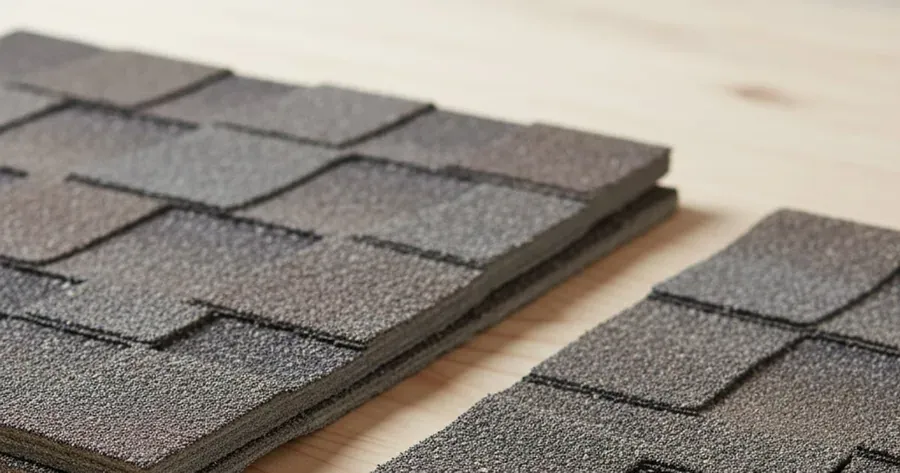
architectural vs 3-tab shingles when it’s time for a new roof, architectural shingles vs. 3-tab shingles are normally the first thing that comes up. One affects the initial cost, long - term durability, street value and how you’ll be treated by insurers if there is a hailstorm in your region, such as Denver, Wichita, Dallas - Fort Worth, St. Louis and Kansas City, all high - hail locations across the country. Here’s how we simplify it for you, so you know what you want by the time you meet with a contractor.
Architectural Shingles vs. 3-Tab Shingles
Architectural shingles are built using two or more asphalt layers.
These are bonded together.
This laminate gives the shingles a varied, irregular profile, not flat and even like a 3-tab.
They also add about 50-80 pounds per square to a roof deck and, typically, carry a 30-50-year manufacturer’s warranty depending on the product line.
3-tab shingles are flat and made of a single layer that’s cut into 3 separate tabs, usually weigh 200-240 lbs. Per square and are covered with a 25-year warranty at best.
A key difference: wind resistance.
Standard 3-tab asphalt shingles can only handle about 60-70 mph winds.
Many architectural shingles, even lower - end ones, offer 110 mph wind resistance.
Class 4, hail - rated architectural shingles may offer up to 130 mph (or more).
In a DFW hailstorm or a high wind event like a chinook that occurs in Denver, the weight difference is enormous.
Heavy shingles resist wind uplifting and keep the flat tabs down.
Lighter shingles will have a tendency to catch an updraft like a sailboat and pull themselves up off the roof.
This often damages them long before the rest of the shingles fail from UV radiation and weather.
Cost, Lifespan and the Real Return
For a homeowner looking at DFW- or Denver - area homes, three - tab shingles run roughly $3.50-$4.50 per square foot fully installed.
Architectural shingles can be installed for $4.75-$6.50 per square foot, depending on roof pitch and installation details such as removal of old shingles.
If you’re putting new shingles on a 2,000-square - foot home, that’s a $2,500-$4,000 increase for architectural shingles over three - tab.
Even with a lower upfront cost, 3-tab shingles fail around every 20-22 years.
Architectural shingles, when installed correctly, can last 35-40 years if proper attic ventilation and regular maintenance are done.
On a roof that’s 40 years old, this saves two separate roof re - decking and re - shingling projects and the cost associated with all of that, in addition to all the new shingles being installed at those junctures, while the owner - occupied residence can skip re - roofing with this material two additional times.
Some Texas homeowners insurers give homeowners discounts for Class 4, impact - resistant architectural shingles, discounts can range between 20% and 30% annually.
A decade down the road, this could pay the difference to go to architectural over 3-tab.
If you’re trying to understand the overall cost factors of a roof installation and how the variables in a project add up, I recommend looking at the [Guide to Replacing Your Roof](https: //www. proexteriors. com/guides/guide - to - replacing - your - roof).
You will learn why labor isn’t as important as what the roof actually covers over its lifetime and how a project differs regionally in Dallas, Denver, Wichita, Kansas City or Atlanta.
If you’re a bit more curious about other roofing systems, such as underlayments, starter strip shingles, ridge caps and ventilation options, review the asphalt shingles page [www. proexteriors. com/shingle - roofing/asphalt - shingle - roofing](https: //www. proexteriors. com/shingle - roofing/asphalt - shingle - roofing), which outlines our standard system approach, not just simple material exchanges.
When a 3-Tab Might still Make Sense - and When It Doesn’t
There are two situations in which a homeowner can get away with installing 3-tab shingles on a residential structure.
These involve non - owner - occupied housing, like rental homes that the owner plans to sell in under 10 years.
A primary home located in a moderate- to low- wind area with absolutely minimal hail events.
Outside of those two narrow niches, installing architectural shingles is an overwhelmingly positive decision that provides significant advantages to a homeowner.
If straight - line winds often come through cities such as Wichita or Kansas City, putting a 3-tab product on a home that’ll be owned for longer than 10 years creates liability issues for the homeowner.
Similarly, in areas prone to consistent summer hailstorms like Atlanta, there’s no debate about which material makes sense for a primary home owner who intends to stay in the house long - term.
In DFW, there’s almost never a scenario in which 3-tab is appropriate for a primary homeowner.
With two cities (Dallas and Fort Worth) topping the list as hail - impacted counties across the U. S. By claims count, specifying a 60-mph rated material like 3-tab on a homeowner’s Richardson or Plano house would never be wise or truly cost - saving, , it’d result in costly repeated damage.
If you happen to live in the Legacy neighborhoods of North Dallas (areas around Dallas and Fort Worth that maintain a traditional feel), many HOAs limit the shingle types allowed, especially about shape, to preserve architectural appearance.
It’s imperative to check your HOA requirements before you make a choice on roofing materials and fortunately, many architectural - grade shingles are now available with low - profile options.
Summary for Pro Exteriors Areas
The reality is that architectural shingles are the correct decision for almost every homeowner in every area Pro Exteriors serves - Atlanta, Dallas - Fort Worth, Denver, Kansas City and Wichita.
While the material is more expensive upfront, its superior durability, longevity and ability to reduce your homeowner’s insurance premium can make up the price difference over the lifetime of your roof.
More importantly, the performance benefits between 3-tab and architectural shingles in wind and hail resistance aren’t merely aesthetic.
This gap often means the difference between a roof that weathers storms well and one that consistently sustains hail or wind damage, leading to costly repairs and insurance claims.
For homeowners whose current roofs have already sustained damage from a storm, Pro Exteriors offers expedited, 48-hour storm response service across our entire operating area.
Please contact us at [www. proexteriors. com/contact/](https: //www. proexteriors. com/contact/? vertical=residential) today to schedule a free, no - obligation roof inspection.
We’ll work with you to recommend the best material to suit your home, market and schedule.