

residential roofing
Best Time To Replace Roof | Pro Exteriors
Best time to replace roof in DFW, Denver, Wichita, KC & Atlanta—plus 48-Hour Storm Response. Know when to act before damage compounds.
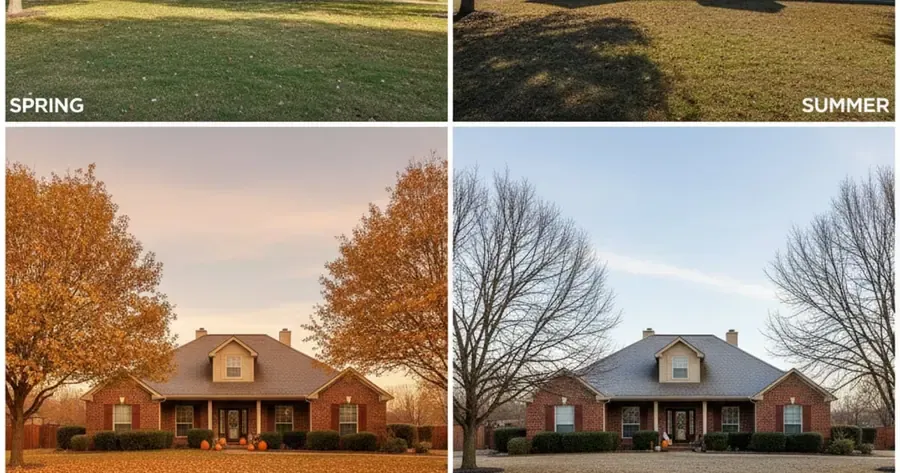
best time to replace roof there isn’t one specific day that’s “the best” time to get your roof replaced, , it’s a period driven by weather, available contractors and the condition of your current roof.
The seasons are the real determining factors in DFW, Denver, Wichita, Kansas City or Atlanta and all of them present different challenges and opportunities.
The important part is acting before you’re forced to by severe weather, not after the damage has been done.
Why Season Matters More Than You Think
Roofing crews can only effectively install shingles within a certain range of ambient temperatures that ensures their self - sealing strips are activated properly.
Asphalt shingles require 40°F and rising to cure the self - sealing tape correctly.
In Denver, that pretty much excludes January and February from the running.
In Dallas - Fort Worth, they’re typically able to install roofing all year.
The problems there come during the brutal heat of summer, though.
When temperatures exceed 100°F, shingles can turn pliable and easily damaged, crews often limit the amount of time they’re able to be outside working and roof costs may skyrocket due to the increased demand.
As far as the consensus choice for best time to get your roof replaced, spring and fall are agreed to be ideal across all five service markets.
DFW and Atlanta have stable temps with much lower humidity from the last half of February until the end of April and again in September through November.
Denver, Wichita and Kansas City tighten that window a bit, with the late end of April to June and August to October being the safest bet to stay ahead of unpredictable weather.
One problem to watch out for in spring or early summer after a hail storm, though: you’ll likely be competing with every other homeowner, so be prepared to book far in advance.
One factor most people underestimate is a contractor’s backlog.
Following a major storm in DFW or Kansas City, you might’ve to wait six weeks or even 10 weeks to get a new roof on your home.
If your roof’s lifespan is down to its last few years and you know spring is coming (the next big threat for severe weather), you’d be better off putting down your deposit with a roofing contractor in January or February before the big push of the spring weather begins.
The Condition Trigger That Overrides Season
Regardless of what time of year it’s, season is the second most important thing.
The first most important factor is the actual condition of your roof.
If you’ve got missing shingles, you can see exposed decking or you’re seeing water spots form on the ceiling inside, you need to address the problem immediately - does not matter if it’s hot as hell outside in Wichita or if it’s a frozen hellscape in February in Denver.
If you delay replacing it for “the right season” while water is getting under the decking, you’ll have to pay to repair that decking as well, which will cost thousands more to fix.
If you want to see the full financial picture of replacing your home’s roof, you should visit the residential roof replacement page on replacement costs for various house sizes and material types, which gives you an idea of what goes into scope and the actual dollar amount of roof projects, allowing you to go into conversations more prepared and knowing what to expect.
A damaged roof is another trigger that’ll trump any consideration about seasonality.
We pride ourselves on having a 48-Hour Storm Response protocol in all service areas.
When a hail event or damaging straight - line wind damages your roof, it triggers an immediate response, not when it finally feels calm out or whenever is convenient.
Your insurance provider is going to come out quickly and you need to document and take photos before further weathering or storm damage further obscures the original damage to your roof.
Timing Decisions Across the Five Service Markets
Each market has its season and weather pattern.
DFW experiences its peak hail season between March and May.
October is a second hail season.
Schedule inspections in January, before spring weather begins, to stay ahead of homeowners whose roofs can’t wait for warmer temperatures.
In Atlanta, storm season coincides with DFW’s springtime storm season.
However, humidity persists later into fall, so October and November offer a much cleaner install.
In Denver, a harsh winter means granule loss and flashing failure that homeowners rarely recognize until spring and so April inspections after the winter thaw are standard procedure, even mandatory, for houses that are more than 15 years old.
In Wichita and Kansas City, severe weather events occur throughout the spring, but homeowners have a consistently stable period of late summer in which to book appointments and save on project costs.
It’s best to begin planning your finances for roof replacement before the intended season for installation.
Take advantage of our roof replacement cost guide, which breaks down the range of costs for materials and installation within DFW, Denver, Wichita and Kansas City, setting clear and realistic expectations.
Colorado prices typically vary from the Wichita market and won’t be what homeowners are expecting when the conversation about installing their new roof starts.
Even if you wish to use premium shingles, bear in mind that many architectural and designer shingles may take between four and six weeks to obtain, which should be incorporated into your schedule before signing any contracts, not after.
The Practical Recommendation
Schedule an inspection for your roof during the off - season between January and February for Atlanta, Kansas City, DFW and Wichita.
Plan for a March inspection if you’re in Denver.
If your inspection indicates that you’ve got two to three more years on your roof’s life span, start lining up your contractor and schedule your roof replacement either during the spring or fall of next year before calendars begin to fill with spring/fall storms.
However, if your inspection discovers that your roof currently has damage or is actively failing, make the decision to get it replaced right away.
Don’t wait until later to make this happen, using seasonality as your excuse.
Replacing compromised decking or repairing mold issues resulting from water damage will invariably cost more than paying an additional charge for off - season installation.
Schedule your free inspection with Pro Exteriors today in any of the five service markets where we do business.