

commercial roofing
TPO vs EPDM vs PVC | Lifecycle Cost Control | Pro Exteriors
TPO vs EPDM vs PVC lifecycle cost control for Dallas-Fort Worth, Denver, Wichita, Kansas City, and Atlanta commercial roofs. Get the data-driven comparison.
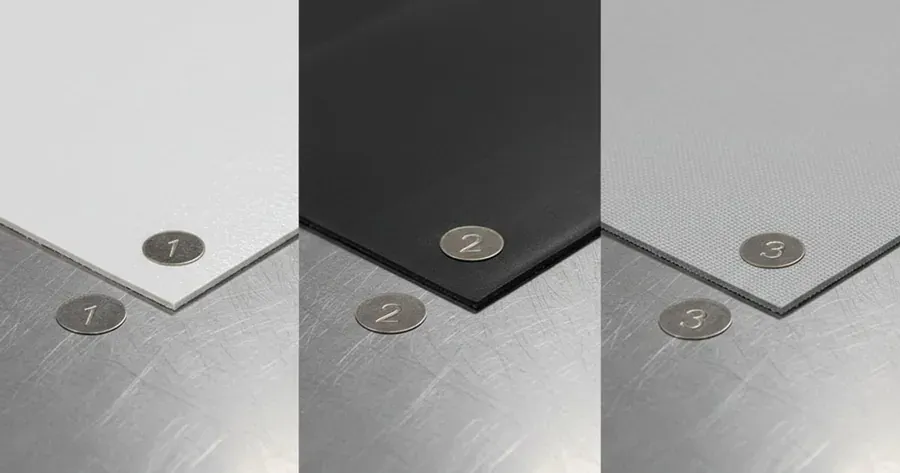
TPO vs EPDM vs PVC no other specification choice will affect the performance and long - term success of a re - roof more than which material a property owner selects. Choosing the wrong membrane is literally choosing a material that’ll either leak twice - at installation and at premature failure - or perform perfectly across decades of weather patterns - including Dallas- Fort Worth summers, Denver winters with freeze/thaw cycles, Wichita’s springtime hail, the Kansas City humidity changes throughout the year and Atlanta’s brutal July sunlight. This article cuts through the manufacturers’ marketing pitches to present a realistic comparison of the costs, benefits and downsides of the leading three roofing membranes: Thermoplastic Polyolefin (TPO), Ethylene Propylene Diene Monomer (EPDM) and Polyvinyl Chloride (PVC).
A Functional Look at How These Membranes Differ
TPO, EPDM and PVC all fit the description of “single - ply membrane” since each membrane consists of only a single layer of material designed to keep the rain out of your building. Beyond that classification, their chemistries produce markedly different results in the field. TPO is a heat - weld system. Its seams are welded together using heat and once cured, the bond is often stronger than the membrane itself when correctly performed - which offers a big advantage over mechanically fastened or taped membranes in wind prone areas such as Wichita and Kansas City. EPDM is a rubber membrane that vulcanizes over time. EPDM is oldest of the group of membranes. It has demonstrated 30 years of success for low - slope, flat roofs for decades. The disadvantage for EPDM lies with seams. Seams constructed using tapes and glues are a common failure point for aging EPDM systems. Like TPO, PVC is a heat - weld membrane, offering identical heat - weld benefits. Added is the superior chemical resistance thatPVC provides, which means that it’s a good match for buildings that deal with significant chemical exposure like restaurants, meat processing facilities and rooftop exposure to grease from restaurant exhaust hoods. PVC is the best at tolerating wide swings in temperature, especially in cold climates like Denver, PVC remains the most stable. EPDM is cheapest to install (cost of the material per sq. ft. ), then TPO and finally PVC. When all costs associated with installing these membranes are taken into account - including labor and skill - the actual difference in price between the membranes is lessened, though still exists, with TPO/EPDM generally cheaper than PVC. A deep dive into TPO roof system requirements for roofs such as substrates, types of insulation compatible with TPO roofing systems and available warranty programs is a must before specifications are made. Skipping this critical step in specification selection is a common cause of roofing systems costing more and lasting 10 years instead of 20.
Lifespan is the Only Budget
The price paid at purchase is a distraction - you’re likely looking to avoid replacing your roof for a long time. When selecting roofing materials for your property, focus on total cost of ownership than purchase price. Lifespan costs are the product of total materials, labor, installation costs, all maintenance required for the life of the membrane, any repairs necessary to maintain its integrity and long - term energy savings. A well - installed 60-mil white TPO system installed over proper roofing preparation consistently outperforms with 20-year results and minimal required maintenance. These reflective systems offer a noticeable reduction in the energy load required to cool commercial buildings throughout Atlanta and Dallas - Fort Worth. EPDM can be a decent alternative on a flat or low - sloped roof when fully adhered (as opposed to ballasted or stone covered). With regular checks every three to five years to ensure a secure seam, EPDM will perform just as well. PVC will always be approximately 15 to 25% more expensive per sq. ft. At installation time, but it earns that cost on restaurant roofs where grease is a factor, since TPO would degrade if used on these. Check to ensure your PVC system offers optimal performance against prolonged extreme cold weather if that factor is a consideration for your roof specification. PVC roofing systems come with different levels of plasticizer formulation to handle the wide spectrum of temperatures. The cost - plus framework outlined for commercial roof repairs or replacement also applies to this question: If the costs of repair in any given 24-month period will exceed 25% of the cost to replace, then the net present value (NPV) of replacement should win. The age range at which this occurs varies based on original specifications, maintenance practices followed during its lifespan, the amount of UV light it has endured and climate extremes, Denver and Kansas City building owners are more apt to hit this benchmark on EPDM roofs. Building owners within Dallas - Fort Worth or Atlanta may reach this point on their respective TPO roof specification due to extreme UV degradation.
Repairs vs. Replacements: The Break - Even Point
No roofing material is built to last forever and sooner or later, the decision comes down to repair versus replacement. Old, EPDM roof membranes 15 or more years old with multiple recurring seam failures are nearly always beyond repair for the cost - effective repair of the system - every new patch applied only adds more points of weakness adjacent to the latest repair. TPO roofing systems of 45-mil thick (which represents the bottom tier for a commercial TPO membrane) can sometimes show similar levels of premature deterioration around the seams and roof penetrations after about 12 to 15 years in heavy UV markets like Atlanta. PVC ages well in most environments and generally provides a much longer life than TPO and EPDM, but it becomes brittle in cold climates when not formulated with proper plasticizer - a concern for building owners located in and around Denver, Kansas. The same cost - benefit analysis discussed for commercial roof repairs versus replacements - if the cost of repair in any 24-month period of the roof membrane’s lifespan exceeds 25% of its replacement price, it’s generally advisable to pursue a roof replacement due to its greater overall long - term value. This occurs much earlier on EPDM roof membranes with years of wear - and - tear due to freeze/thaw cycles near Seattle and Wichita and also occurs at an earlier age for poorly manufactured/specified TPO roof membranes in sun - baked Dallas or humid Atlanta, due to degradation caused by prolonged sun and heat exposure.
Your Building: Which Material is Right
There are clear decisions and trade - offs involved in choosing a membrane, with no one - size - fits - all approach, of course. Choose TPO if energy performance, affordability or heat - weld seam durability are your primary goals - it accounts for a huge chunk of commercial re - roofs in the entire Pro Exteriors coverage area. PVC makes a good choice when your rooftop application involves harsh chemicals that TPO and EPDM would break down quickly or you need the highest possible seam security in a wind - uplift application. EPDM remains an appropriate selection if you are managing a current EPDM system that has solid, non - leaking seams and you are simply experiencing problems only with these seams or if it’s specified through a warranty agreement that prohibits any other material selection. Regardless of which material you finally settle on, always opt for the 60-mil thickness minimum for your TPO and PVC membranes, as well as 60-mil EPDM for new installations. Contact Pro Exteriors for a no - cost, comprehensive life cycle cost analysis for your commercial Dallas- Fort Worth, Denver, Wichita, Kansas City or Atlanta building.